
Reading Time: Approximately 22 Minutes
Introduction
The death of a loved one can be one of life’s most overwhelming experiences. Along with grief, families are often faced with important decisions and practical responsibilities they may never have encountered before. Many people ask the same questions:- Who should I call first?
- What happens if the death occurs at home?
- What if it happens in a hospital or long-term care home?
- When should I contact a funeral home?
- What paperwork is required?
- How quickly do I need to make decisions?
- At home (expected death): Contact the appropriate healthcare professional as instructed (such as the attending physician or other authorized medical professional). Once the death has been certified, contact your chosen funeral home.
- In a hospital, hospice, long-term care home, or retirement residence: Staff will guide you through the immediate process and explain when the funeral home can transfer your loved one into its care.
- If the death is unexpected or under unusual circumstances: Emergency services or the coroner may become involved, and they will explain the next steps.
Stay With Family and Take a Moment
The First Few Moments
When someone dies, it is natural to feel shocked, even if the death was expected.
There is no need to rush into making every decision immediately.
Take a few moments to gather close family members or friends if possible. If children or vulnerable family members are present, consider asking someone you trust to stay with them while the first phone calls are made.
Once the immediate situation has been addressed, the next steps will depend on where the death occurred.
What to Do if the Death Occurs at Home
If the Death Occurs at Home
An expected death at home is often managed differently from one that occurs unexpectedly.
If the person was receiving palliative care or was under the care of a physician or nurse practitioner, there is usually a plan in place for who should be contacted.
The healthcare professional will provide guidance regarding certification of the death before the funeral home is contacted to arrange the transfer into care.
If the death is unexpected, emergency services may need to be contacted, and additional procedures may apply depending on the circumstances.
Funeral Director’s Tip
Many families worry that they need to make all of the funeral arrangements immediately. In reality, the first priority is ensuring the appropriate medical and legal steps are completed. Once your loved one is in professional care, your Funeral Director will guide you through the remaining decisions at a pace that allows you to ask questions and consider your options.
What Happens if the Death Occurs in a Hospital
If the Death Occurs in a Hospital
When a death occurs in a hospital, the healthcare team manages the immediate medical procedures and explains what will happen next.
Families are generally given time to spend with their loved one before arrangements are made for the funeral home to assume care.
Hospital staff will ask which funeral establishment has been selected. If you have not yet made that decision, they can explain when it will need to be communicated.
Once the required hospital procedures have been completed, the funeral home coordinates the transfer and begins the arrangement process.
Long-Term Care and Retirement Homes
If the Death Occurs in a Long-Term Care Home or Retirement Residence
Many long-term care homes and retirement residences have established procedures for supporting families after a death.
Staff will assist with the immediate steps, notify the appropriate healthcare professionals, and coordinate with the funeral establishment chosen by the family.
These facilities often have experience helping families through the process and can answer practical questions while arrangements are being made.
Hospice Care
If the Death Occurs in a Hospice
Hospice teams are experienced in supporting families through end-of-life care and the period immediately following a death.
Staff members typically help coordinate the necessary medical documentation and explain when the funeral home can transfer your loved one into its care.
Many families appreciate the compassionate guidance provided by hospice staff during this difficult time.
Unexpected Deaths
If a death is sudden, unexpected, or occurs under circumstances that require further investigation, emergency services or the Office of the Chief Coroner may become involved.
The purpose is to determine the cause of death and ensure that all legal requirements are met.
Once the appropriate authorities have completed their work, the funeral home can continue with the family’s chosen arrangements.
Step 1: Contact Your Chosen Funeral Home
Once the appropriate medical procedures have been completed and the death has been certified (where applicable), one of the next steps is contacting the funeral home you have chosen.
Many funeral homes, including Affordable Cremations, are available 24 hours a day, 365 days a year to begin assisting families.
During the first telephone call, a Funeral Director will usually ask several questions to understand the situation and explain what happens next.
These may include:
- Where did the death occur?
- What is the full name of the deceased?
- Has the death been certified?
- Is there a pre-arranged funeral plan?
- Who is the legal decision-maker for the arrangements?
- What telephone number is best for ongoing communication?
Families are not expected to have all the answers immediately. The purpose of this conversation is simply to begin the process and provide guidance.
Step 2: Transfer Into Professional Care
Once authorization is received, your loved one is respectfully transferred into the care of the funeral establishment.
Licensed funeral professionals follow strict identification procedures throughout every stage of the process.
Families often worry about what happens after their loved one leaves the hospital, residence, or care facility.
Professional funeral homes have established procedures to ensure every individual is treated with dignity, respect, and careful identification from the moment they enter care until the cremated remains are returned to the family.
Step 3: Meet With the Funeral Director
The arrangement conference may take place:
- In person
- By telephone
- Through secure electronic documentation, where appropriate
During this meeting, your Funeral Director will explain the available options and complete the required documentation.
Topics often include:
- Personal information required for registration of the death
- Direct cremation or traditional funeral options
- Cremation authorization
- Death certificates
- Obituary assistance (if requested)
- Memorial options
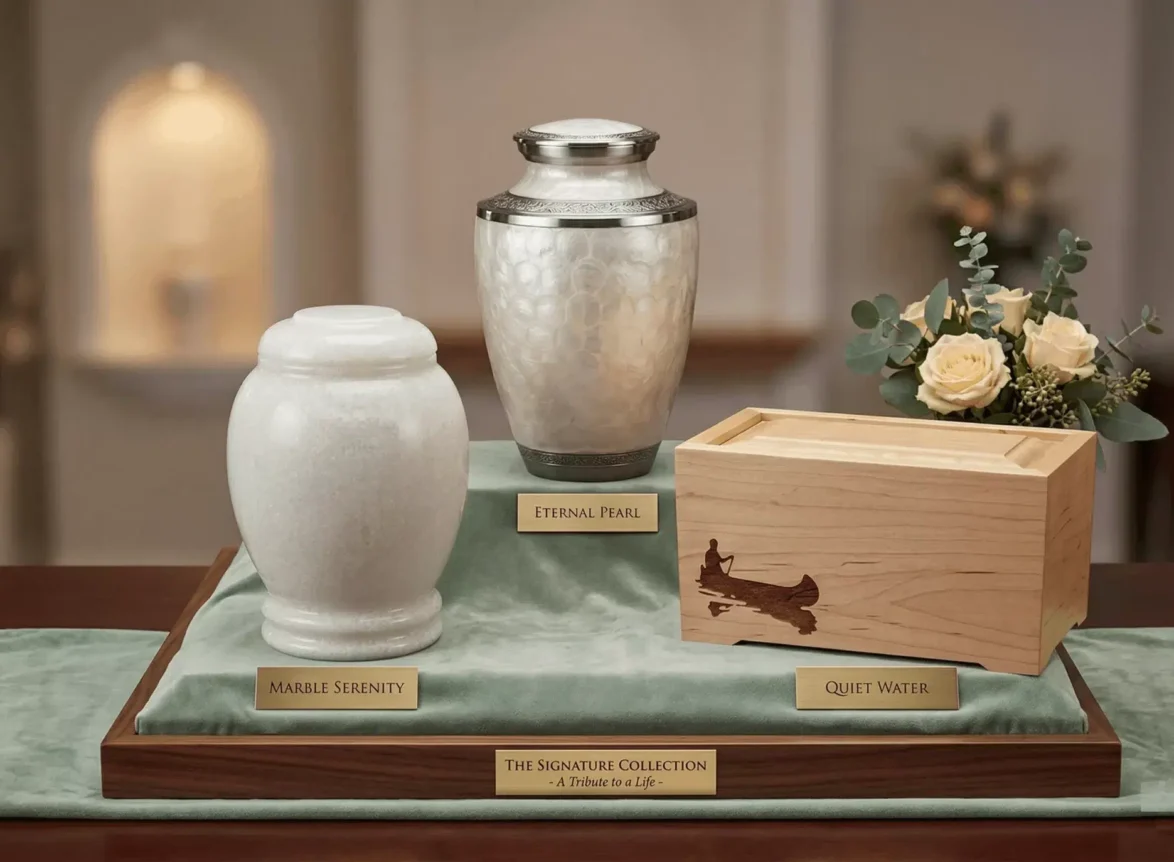
- Urn selection
- Government benefits that may apply
Families are encouraged to ask questions throughout the process.
There are no “wrong” questions.
Funeral Director’s Tip
Write down your questions before the arrangement meeting. Grief can make it difficult to remember everything you wanted to ask. A written list can help ensure your concerns are addressed.
What Happens During the First 24 Hours?
The first day after a death is often the busiest in terms of practical arrangements.
Depending on the circumstances, the following steps may occur:
✓ The death is certified by the appropriate medical professional.
✓ The funeral home is contacted.
✓ Transportation into care is arranged.
✓ Immediate family members are notified.
✓ Preliminary funeral or cremation discussions begin.
✓ Important personal documents are gathered.
Not every family will complete all of these steps within the first day, and that is perfectly normal.
What Happens During the First Week?
Over the next several days, families generally begin making additional decisions.
These may include:
- Choosing between cremation or burial
- Planning a memorial or celebration of life
- Obtaining certified copies of the death certificate through the appropriate government process
- Contacting financial institutions and insurance providers
- Beginning estate administration
- Arranging cemetery or columbarium placement, if desired
- Deciding on an urn or other memorial option
Many of these tasks can be completed gradually.
Your Funeral Director can often explain which decisions require immediate attention and which can wait.
Important Documents You May Need
Having important documents available can make the arrangement process easier.
Examples include:
- Full legal name of the deceased
- Date and place of birth
- Social Insurance Number (if available)
- Ontario Health Card (if available)
- Marriage certificate (if applicable)
- Military service information (if applicable)
- Funeral pre-arrangement documents (if any)
- Cemetery deeds or plot information (if applicable)
Do not worry if you cannot locate every document immediately.
Your Funeral Director can explain what is required and what may be obtained later.
Who Needs to Be Notified?
Following a death, several organizations may eventually need to be notified.
Examples include:
Government Agencies
- Service Canada
- Canada Pension Plan (CPP)
- Old Age Security (OAS), if applicable
- Canada Revenue Agency (CRA)
Financial Institutions
- Banks
- Credit unions
- Credit card companies
- Investment firms
Insurance Providers
- Life insurance
- Extended health insurance
- Home insurance
- Vehicle insurance
Other Organizations
- Employer or pension administrator
- Utility companies
- Mobile phone provider
- Subscription services
- Professional associations
The exact list will vary depending on the individual's circumstances.
Looking After Yourself
During the first few days after a death, it is easy to become focused on paperwork and responsibilities.
Remember that grief affects everyone differently.
Accept offers of help from family and friends.
Eat regular meals, stay hydrated, and try to rest whenever possible.
If you are responsible for making arrangements, do not hesitate to ask another family member or trusted friend to assist with telephone calls or paperwork.
Taking care of yourself is also part of taking care of your loved one.
Common Questions Families Ask
How quickly do I need to choose a funeral home?
Generally, arrangements begin once a funeral home has been selected. If you are unsure which provider to choose, take the time you need to ask questions and understand your options.
Can arrangements be made if family members live in different cities?
What if my loved one wanted direct cremation?
If your loved one expressed a wish for direct cremation, let your Funeral Director know during the first conversation. They can explain the process and help ensure those wishes are respected, subject to applicable legal requirements.
Do I need to plan a memorial immediately?
Trusted Ontario Resources
The following organizations provide reliable information related to death registration, funeral services, and government programs.
Bereavement Authority of Ontario
The provincial regulator for funeral, burial, and cremation services.
Government of Ontario
Information about provincial services, including death registration.
ServiceOntario
Information about ordering government documents, including death certificates.
https://www.ontario.ca/page/serviceontario
Service Canada – Canada Pension Plan Death Benefit
Information about eligibility and application requirements.